
One of the most frequent points of confusion for vehicle owners is deciphering the viscosity numbers on a bottle of motor oil. While the owner’s manual provides a baseline recommendation, understanding how different viscosities behave under thermal stress is crucial for optimizing your car’s performance. The debate often comes down to two highly popular, yet distinctly different, grades: the versatile 10W-40 and the ultra-efficient 0W-20.
The Case for 0W-20: Modern Efficiency 0W-20 is a highly advanced, lightweight synthetic oil primarily designed for modern, late-model vehicles and hybrids. Because it flows incredibly fast at startup, it provides instant lubrication to the valvetrain, minimizing cold-start wear. When at operating temperature, its relatively thin consistency creates very little fluid drag on internal moving parts. This reduction in drag allows the engine to operate with maximum efficiency, making 0W-20 the go-to choice for drivers focused on squeezing every possible mile out of a gallon of fuel.
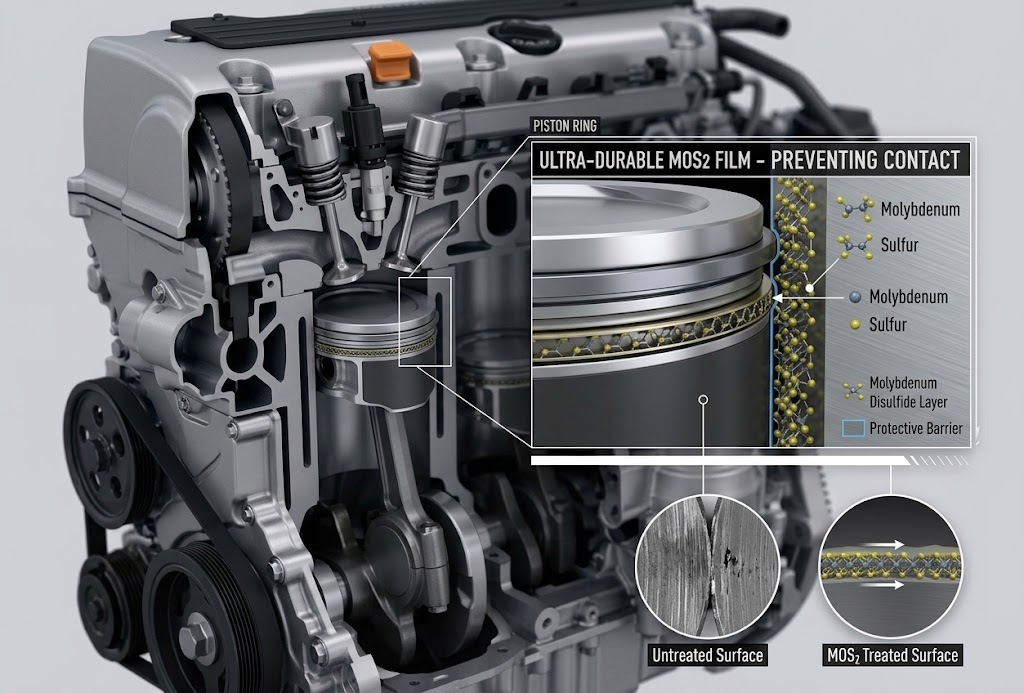
The Case for 10W-40: Robust Protection and High Mileage While 0W-20 focuses on fluid efficiency, 10W-40 is built for robust, thick-film protection. This viscosity grade is often the sweet spot for a wide variety of vehicles, particularly in warmer climates or for engines with slightly higher mileage. For older sedans or reliable daily drivers, internal engine clearances naturally widen over time. The Q5 10W40 provides a thicker, more resilient protective film at operating temperatures. This helps seal worn piston rings, restores lost compression, and dampens engine noise. Furthermore, 10W-40 is highly resistant to thermal breakdown, making it an excellent choice for drivers who frequently sit in hot, idling traffic or push their vehicles under heavier loads.